
Introduction
IN THIS LESSON
The Evolution of Fundraising in Youth Soccer
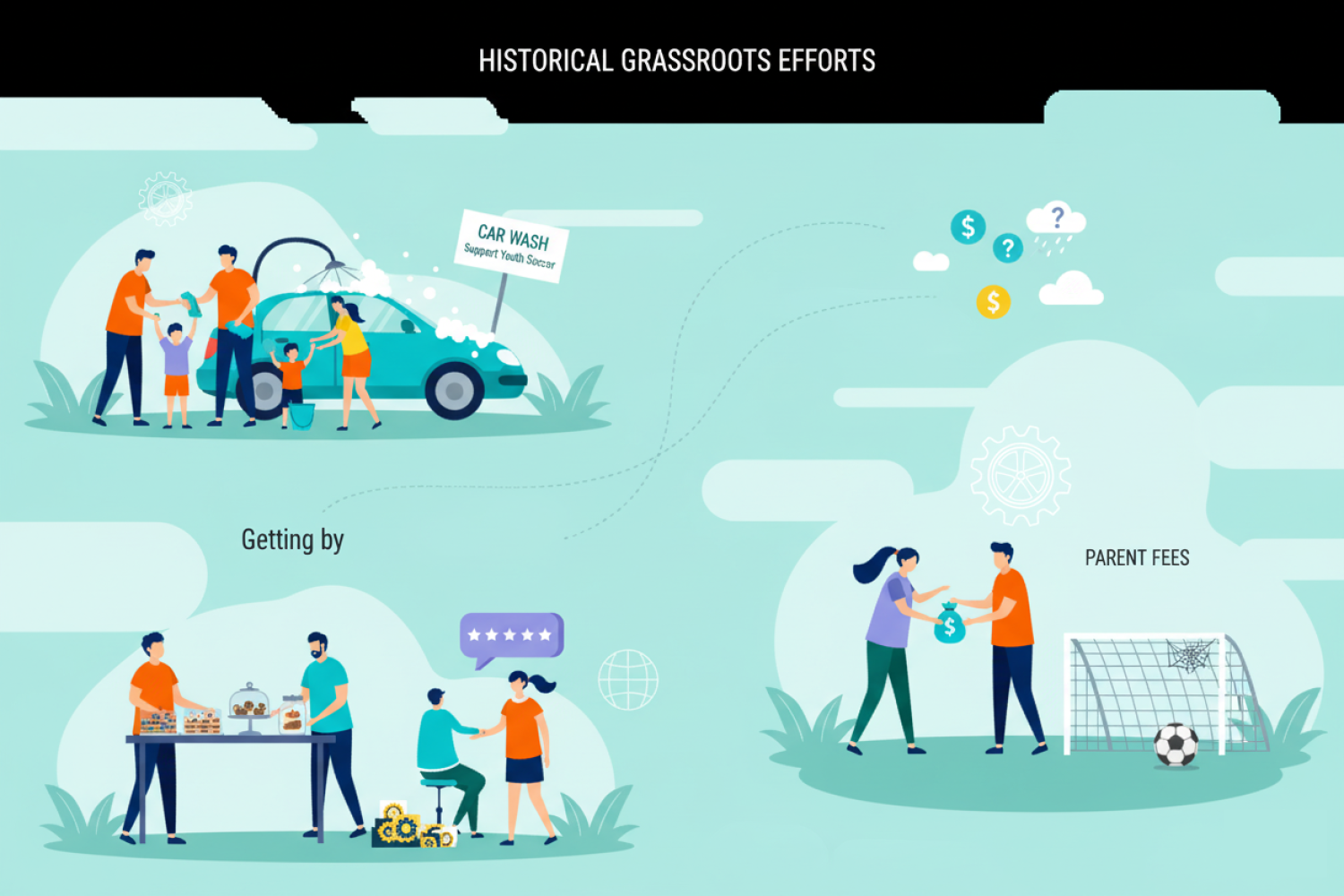
Historically, fundraising in youth sports, particularly soccer, has been about grassroots efforts. Think car washes, bake sales, and parent fees. These efforts were great but often unpredictable and labor-intensive, providing enough to get by but rarely enough to truly thrive. For many years, this has been the accepted norm.
Today, we're at a pivotal moment. The costs of field rentals, equipment, and professional coaching continue to rise, making it harder for clubs and community organizations to offer equitable access to the game. However, simply charging more for programs will not fundamentally address the growing demands of the pay-to-play model or the increasing cost to run community-based programs in the United States. It’s also safe to say that the system isn’t going to change away from this model any time soon. Professional development and fundraising is the only fundamental solution, similar to how leading schools and hospitals figured it out decades ago.
This creates an amazing opportunity. By learning to build genuine relationships and strategically secure support, we can move beyond simply covering costs. We can create robust financial aid programs, build new facilities, invest in coaching education, and ensure that every child who wants to play has the chance. This program is your guide to seizing that opportunity.
Defining Our Terms: Fundraising vs. Development
You'll hear two key terms throughout this series: fundraising and development. While they're often used interchangeably, it's helpful to know the distinction:
Fundraising is the transactional act of asking for and securing money.
Development, in a professional context, is the strategic process of building long-term, lasting relationships with donors and partners.
In this program, we will focus on development—the comprehensive approach that helps every type of organization achieve its mission, whether that is funding financial aid, building new facilities, or creating sustainable community programming.
Your Roadmap: The 7 Stages & The Clubhouse
To guide this journey, we'll be using two powerful frameworks together, both pioneered by COGEO.
7 Stages of a Soccer Organization
First, we will use the 7 Stages of a Soccer Organization. This model, which runs from the initial idea of a "Seedling" to a lasting "Evergreen" organization, is your long-term roadmap. Not every organization is destined to be an Evergreen, but understanding these stages will help you determine the right end stage for your organization and build an appropriate path forward. The progression along these stages often takes years of dedicated effort.
A common misconception is that organizational development and fundraising are separate pursuits. In reality, they are deeply interconnected—growth in one directly influences success in the other.
Each stage of the model includes descriptions for both organizational development and fundraising. It’s possible, for example, to be at Stage 5 in organizational development while still operating at Stage 1 in fundraising. To capture the full picture, Cogeo assigns an overall stage label by averaging the two.
Stage 1 - Seedling

Definition: The initial idea for the organization exists only in the mind of the founder(s). This is the dreaming phase, where the vision is born.
Example: A parent, noticing a lack of quality organized soccer opportunities for young children in their community, starts to imagine creating a youth soccer club locally.
Organizational Management:
No formal structure or staff.
Founder(s) are driven by passion and a vision for environmental conservation.
Initial brainstorming and conceptualizing the organization’s mission and goals.
Fundraising Maturity:
No fundraising activities at this stage.
Founder(s) will be contributing personal funds for preliminary organizational development expenses.

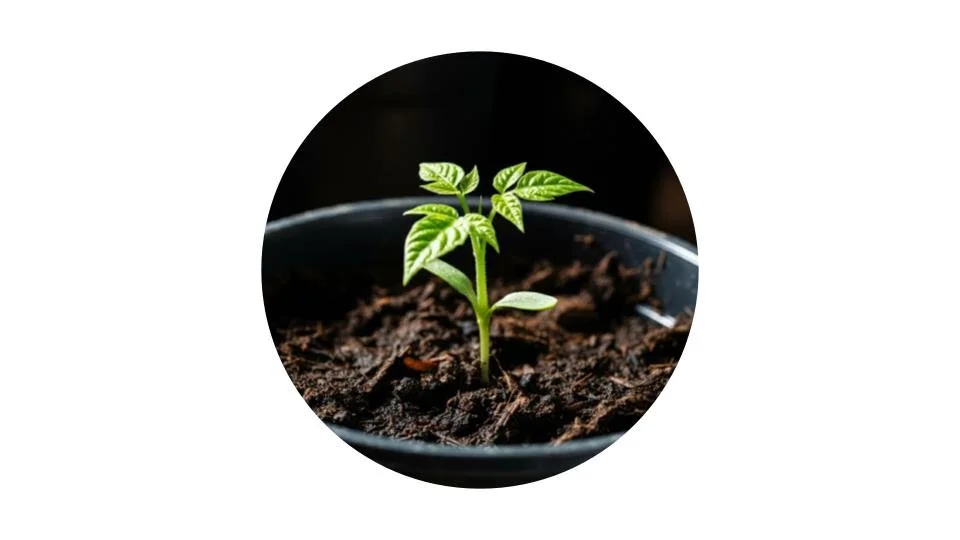
Stage 2 - Taking Root
Definition: The idea begins to take shape as the founder(s) take initial steps to bring it to life. This may involve gathering information, recruiting others, and exploring feasibility.
Example: The founder(s)/parent(s) starts talking to other parents, coaches, and community members about their idea. They begin to explore potential field locations and research the process of forming a 501(c)3 non-profit organization.
Organizational Management:
Founder-led, with a highly passionate and informal approach.
Limited organizational structure; roles and responsibilities often overlap.
Decision-making may be centralized with the founder(s).
Strong reliance on volunteers and in-kind support.
Basic operational systems are being established (e.g., bank account, website).
Fundraising Maturity:
Reliance on personal savings, loans from friends and family, or small grants.
Fundraising is usually ad hoc and event-driven (e.g., bake sales, raffles, crowdfunding).
Limited experience with grant writing or major-donor cultivation, solicitation and stewardship.
Focus on building relationships with potential funders and establishing credibility locally.
Stage 3 - Sapling
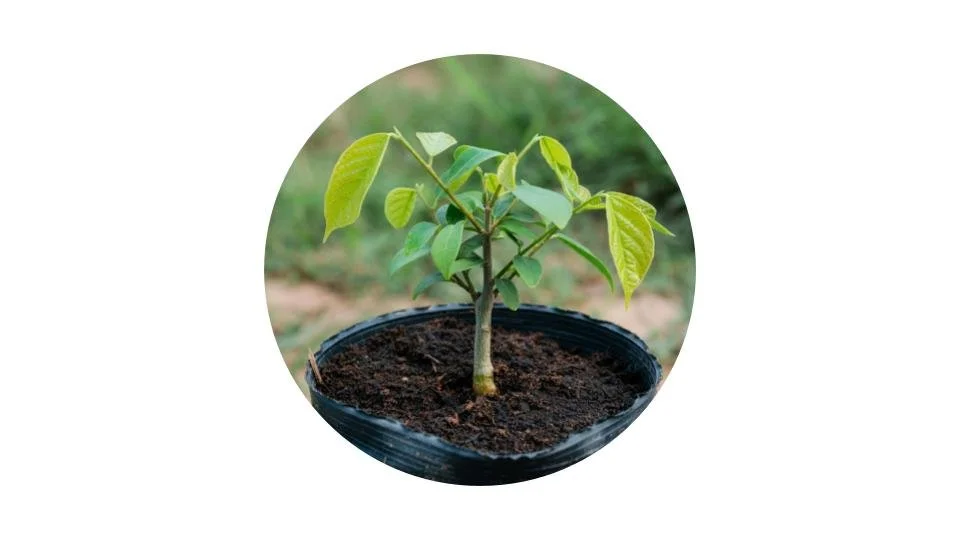
Definition: The organization is formally established as a 501(c)3, with a basic structure and a slate of initial programs in place.
Example: The parent group establishes a founding board of directors and hires a (part-time) coach, as well as organizes a spring and fall season for youth soccer locally.
Organizational Management:
A more formal structure emerges, with defined roles and responsibilities.
A small staff may be/is hired to support core functions.
The board of directors provides guidance and oversight as a working board.
Basic financial-and-program management systems are in place.
Developing internal communication and reporting mechanisms.
Fundraising Maturity:
Developing a more systematic approach to fundraising.
Ad-hoc grants from foundations and government agencies.
Cultivating and leveraging relationships with individual donors and small businesses.
Establishing and managing a CRM system (e.g. Salesforce.com).
Exploring different fundraising channels (e.g., online giving, direct mail).
Stage 4 - Branching Out
Definition: The organization is experiencing significant growth, expanding its programs and services, and diversifying its funding sources.
Example: The club hires a full-time executive director, expands its youth program offerings, and starts a successful adult soccer league. They secure a long-term lease for a dedicated soccer field.
Organizational Management:
A well-defined organizational structure with clear lines of authority.
Specialized departments or teams are established (e.g., programs, development, finance).
Increased staffing levels to support growing programs and operations.
Formalized policies and procedures are implemented.
Emphasis on staff development, training, and quality assurance.
Fundraising Maturity:
Diversifying funding sources to include individual donors, foundations, corporations, and government grants.
Developing a comprehensive fundraising strategic plan with clear goals and annual tactics.
Building a strong donor relations program to cultivate and retain supporters.
Investing in fundraising infrastructure (e.g., donor management software).
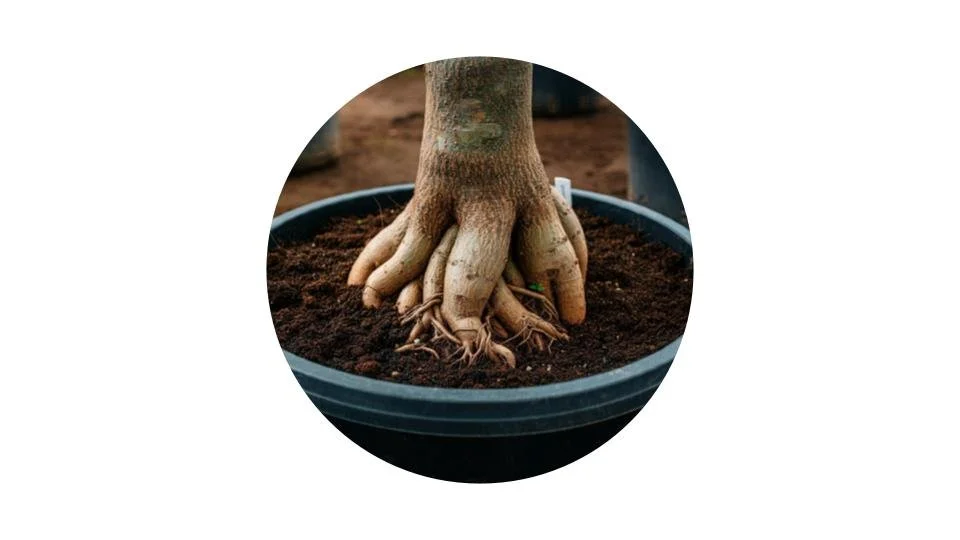
Definition: The organization has a strong foundation, established programs, and a solid financial base.
Example: The club establishes a youth development academy with professional coaching staff. It secures a major corporate sponsorship and begins offering financial assistance to low-income families.
Organizational Management:
A mature and sophisticated organizational structure with strong leadership.
Clear delegation of authority and decision-making processes.
Emphasis on organizational effectiveness and efficiency.
Investing in technology and infrastructure to support operations.
Strong internal controls and financial management systems.
Fundraising Maturity:
A robust fundraising program with a diversified funding base and revenue streams.
Strong relationships with major donors, corporations, foundations, and government.
Implementing long-term planned giving and endowment building strategies.
Continue developing a strong brand and reputation to attract support.
Stage 5 - Deep Roots

Stage 6 - Canopy Growth
Definition: The organization is scaling its impact, potentially through partnerships, mergers, or expansion into new markets.
Example: The club partners with other youth sports organizations to form a larger sports complex. It expands their programs to include futsal and other indoor sports. It also starts a foundation (or integrates into the existing 501(c)3) to support youth financial-aid awards and community initiatives.
Organizational Management:
A decentralized organizational structure with regional/area offices or chapters.
Emphasis on coordination and communication across different units/initiatives.
Developing leadership capacity at all levels of the organization.
Building a strong organizational culture and shared values.
Sophisticated systems for knowledge management and information sharing.
Fundraising Maturity:
Managing sophisticated fundraising strategies, including capital campaigns and impact investing.
Building relationships with high-net-worth individuals and philanthropic institutions.
Developing earned income ventures or social enterprises.
Cultivating a diverse and engaged donor base.

Stage 7 - Evergreen
Definition: The organization has achieved a lasting legacy, with a sustainable funding model and a strong commitment to its mission.
Example: 50 years into its existence, the club is a recognized leader in youth sports development, with a strong brand, a loyal following, and a positive impact on the community. It establishes a financial aid awards fund for college athletes and continues to innovate in programs and operations.
Organizational Management:
A highly effective-and-adaptable organization with a strong sense of mission.
Focus on long-term sustainability and resilience.
Investing in leadership development and succession planning.
Embracing innovation and continuous learning.
Strong governance and ethical practices.
Fundraising Maturity:
A diversified and sustainable funding model that ensures long-term financial security.
Strong endowment build-out and planned giving programs.
Building a legacy of impact for future generations.
Engaging in thought leadership and influencing the philanthropic sector.
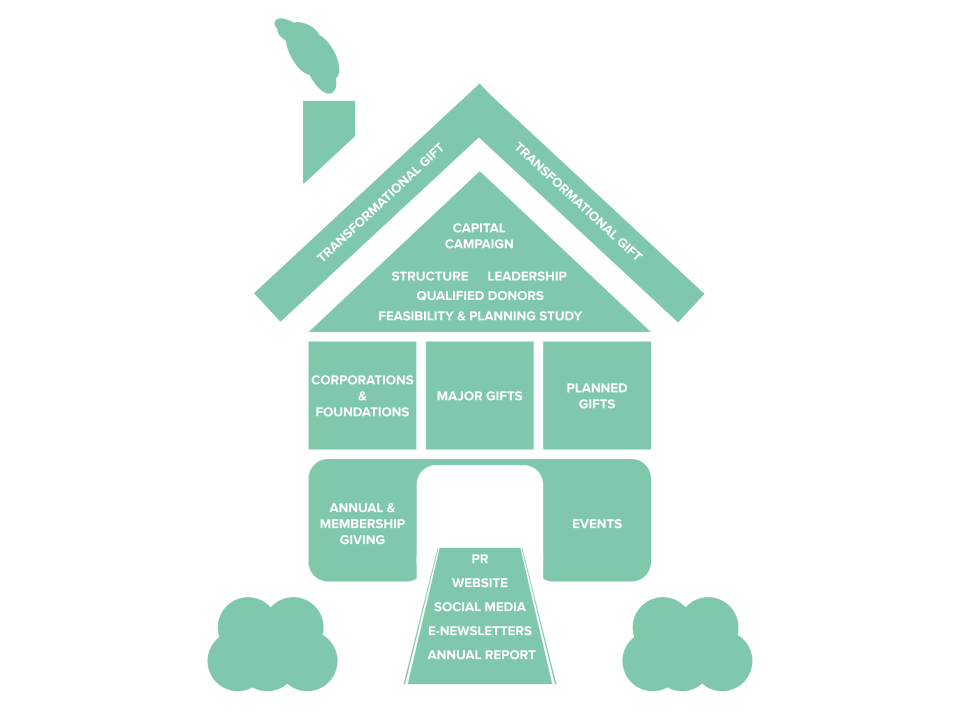
Clubhouse of Development
Second, we will use the Clubhouse of Development. Think of this as the tactical roadmap, where each area of the clubhouse represents a different fundraising strategy. The progression from the "Entry Level" up the clubhouse represents the deepening of relationships with your donors. We'll start with broad, foundational support and move to more personal, cultivated relationships. At the center of the clubhouse sits Major Gifts, which is the heart of professional fundraising.
Now, if you’re ready, let’s dive in!
Throughout, we'll see how fundraising is not just about securing resources but also a powerful tool for forging partnerships that benefit both clubs and community-based organizations.
A New Mindset
The most successful fundraising isn't about asking for money; it's about connecting a donor’s passion with your organization's mission. We're not "asking for a handout"; we're offering an opportunity to invest in the lives of young athletes. Our goal is to shift your mindset from a transactional to a relational approach, building a community of support that extends beyond the field.
A Commitment to Culture Change
Before you dive in, it is important to understand that professional development is not a one-time event. It is a decision to shift the culture of your organization. While you can certainly start small, this is a commitment to dedicating the time and resources necessary to build a lasting program. It's a move from simply operating programs to embracing a professional approach that will serve your mission for years to come.
Resources for Your Journey
Each lesson in this series is designed to be a practical, actionable guide. Along the way, we'll provide you with supplementary templates and resources to help you apply these concepts directly to your organization. These tools will help you put the information into practice immediately.