
Chapter 2: Data Management
IN THIS LESSON
Data Management—Your Community Playbook
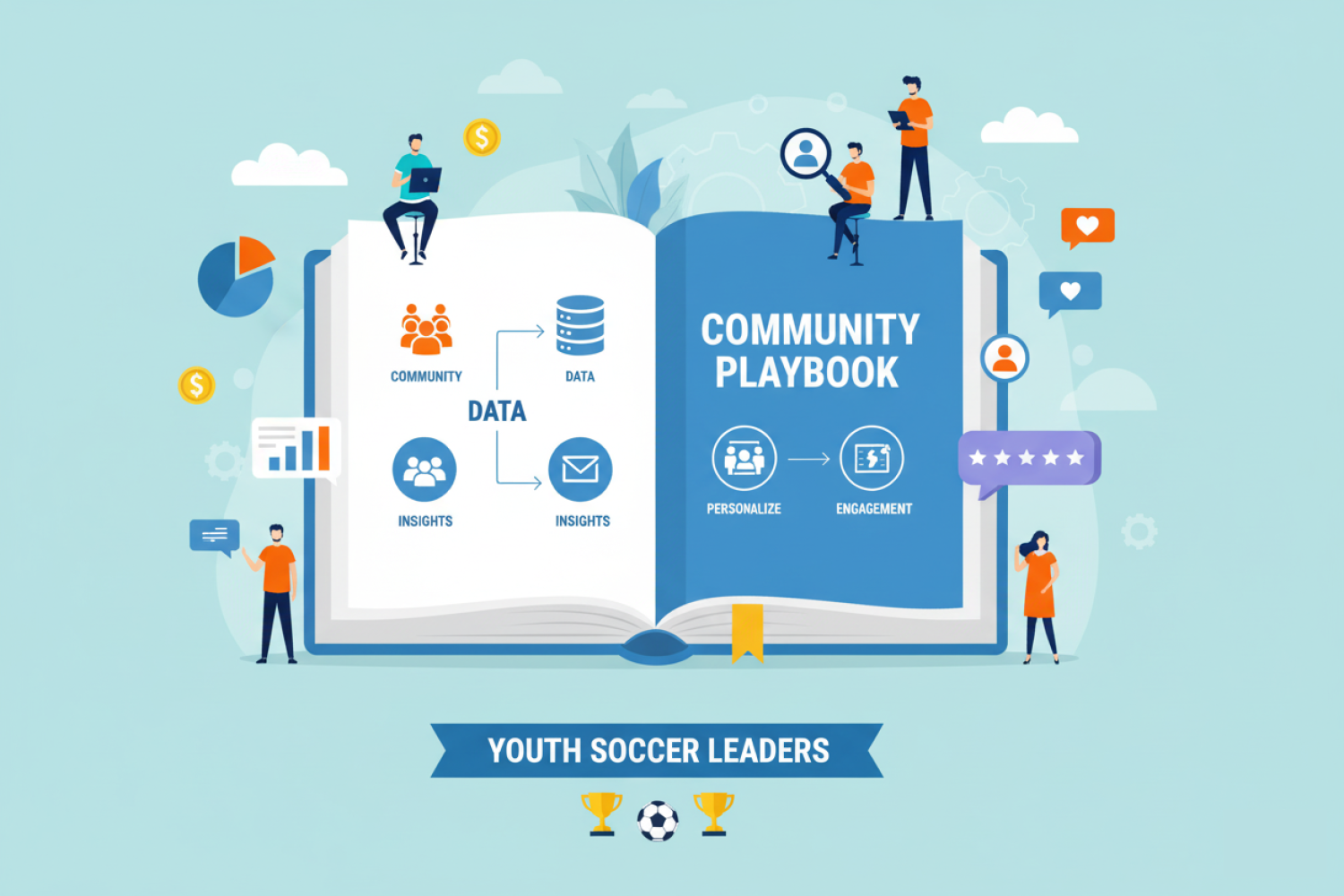
In youth soccer, leaders and program managers rely on their instincts and experience to build strong teams and run impactful programs. But what if you had a playbook that not only told you who your community was, but also how best to engage them? In professional fundraising, your data is that playbook. It’s the essential toolkit that helps you track your supporters, personalize your outreach, and build a lasting, sustainable program for your organization. You cannot grow your fundraising program and progress through the 7 Stages without a solid data foundation.
Why Data is Your Most Valuable Asset
It Builds a Personal Connection: A generic "Dear Supporter" email might get ignored, but a message that references a donor’s child playing on the U12 team or their past volunteer work is much more impactful. Data allows you to connect on a human level.
It Prevents Mistakes: You don't want to ask a brand new supporter for a major gift before you've built a relationship. Good data helps you understand where a person is in their journey with your organization, ensuring you make the right "ask" at the right time.
It Tracks Your Progress: Fundraising can feel like a marathon with no finish line. Data helps you track key metrics like the number of donors, average gift size, and retention rates. This allows you to see the tangible results of your efforts and measure your progress along the Clubhouse of Development.
It Fosters Stronger Stewardship: Remembering to thank a donor, share a story about a program their gift funded, or invite them to a special event is how you build a lasting relationship. Data makes this process organized and systematic, ensuring no one is forgotten.
What Data Should You Collect?
You already have a lot of this information. The key is to organize it. Here's a list of critical data points to track for every supporter:
Personal Information: Full name, preferred email, mailing address, and phone number for both the parent and the participant. A CRM can be customized to link both profiles together to provide a complete picture of the relationship with your organization.
Relationship to the Organization: Are they a current parent, a former player, a community member, a local business owner, a volunteer, or a board member?
Giving History: The date, amount, and purpose of every donation they have ever made. Was it a small online gift or a larger check?
Communication & Engagement: How have they interacted with you? Did they open your last newsletter? Did they attend a recent event?
Capacity: How much are they potentially capable of giving? This is often gathered through wealth screenings and public data, as mentioned in
COGEO's methodology.
Getting Started: Finding the Right Software
Before you begin collecting data, it's wise to think about where you'll store it. While a spreadsheet is a good starting point, professional fundraising requires a more robust solution. A Customer Relationship Management (CRM) system is software designed specifically for this purpose. It centralizes all your data, tracks interactions, and automates processes.
COGEO highly recommends Salesforce for several key reasons:
Free for Tax-Exempt Organizations: The Salesforce NPSP (Nonprofit Success Pack) offers 10 free licenses for life to qualified tax-exempt organizations. This is a full-featured version of the software, not a limited trial.
Scalability: Salesforce is a powerful, enterprise-level tool that can grow with you from a small grassroots organization to a large, Evergreen-stage entity. This means you won't need to migrate all your data to a new system later, saving countless hours and resources.
Customization: The platform is highly customizable, allowing you to tailor it specifically to the unique needs of your organization, whether you're a competitive club or a community-based nonprofit.
How to Get Started: Your Data Management Plan
Once you have chosen a place to store your data, follow these steps:
Start with What You Have:
Gather all existing data from your registration systems, email lists, and personal contacts.
Input and Organize
Begin populating your new spreadsheet or CRM system with the essential data points.
Make it a Habit
Data management isn't a one-time project; it's a discipline. After every conversation, email, or donation, make it a habit to update your records.